

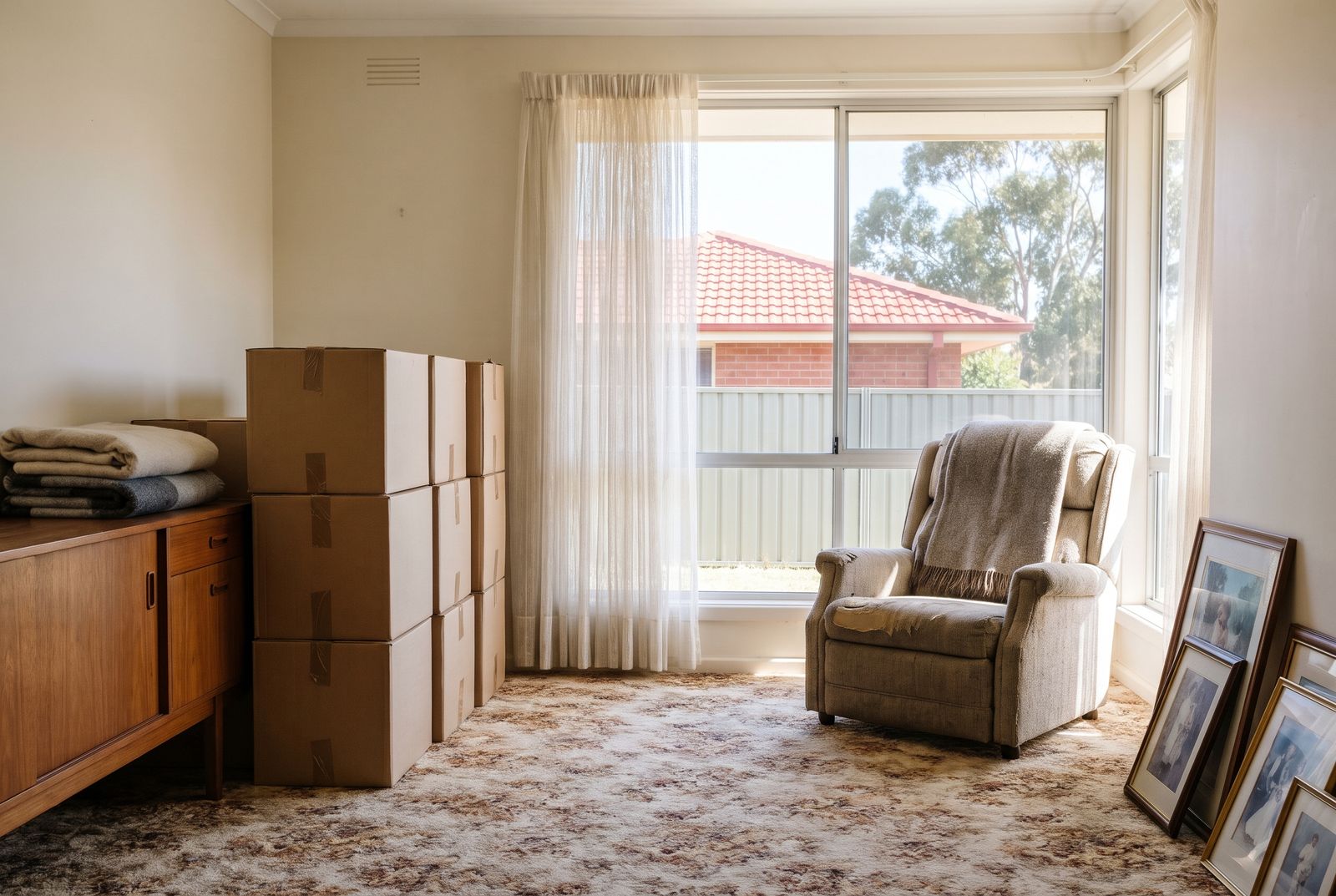
How to get rid of unwanted furniture
Pass on what still works, and dispose of the rest. Its condition decides where each piece goes.
Unwanted furniture can still be useful to someone. Sort each piece by condition, pass on what works, and throw out only what cannot be used again.
- Good pieces can often be sold
- Worn but working pieces suit a donation
- Broken pieces go to the council, tip or a pick-up
By condition
What to do with unwanted furniture, by its condition
Works and looks good
Sell it
A piece that works and shows little wear can often be sold, and the City of Melbourne lists selling among its options.
Works but shows wear
Give it away
The City of Sydney says to find a new home first for items that still work, by giving them to someone who needs one.
Usable after a fix
Repair it
The ACT Government suggests repairs to extend a piece's life, or donating it to groups that repair items or use the parts.
Usable, but unwanted
A council reuse shop
Some council tips set reusable furniture aside for resale. The table below shows which capital city councils do.
Broken or worn out
Throw it out
Only furniture that cannot be used again needs throwing out.
Step by step
How to get rid of unwanted furniture, step by step
Go from the best piece to the worst, so anything usable has gone before you book a collection.
- 1Sort each piece by condition
Check that it works, look for damage, stains and missing parts, and put each piece in one of three groups: sell, give away or donate, or throw out.
- 2Check it is safe to pass on
Before you sell a piece, the ACCC says to check it has not been recalled or banned. Cots have their own checks, set out further down this page.
- 3Gather the product details
The maker, when it was made, the assembly instructions and any warnings. The ACCC recommends gathering these before you sell.
- 4Describe its condition honestly
If you call a piece excellent, good or fair, the ACCC says to be accurate, clear and consistent about what those words mean.
- 5Offer the rest to people who can use it
Friends, an online listing or a charity. Ask a charity what it takes before you promise it a piece.
- 6Take usable leftovers to a reuse shop
Some council tips take reusable furniture for resale. In Brisbane, good-quality reusable furniture is assessed for donation to a second-hand shop.
- 7Throw out only what is left
Whatever nobody wanted goes to a council collection, to the tip in your own trailer, or out with a paid pick-up.
Passing it on
Ways to pass on furniture that still works
The better the condition, the more ways a piece can find a new owner.
Works and looks good
Sell it
A sale between two people is a private sale. The ACCC says most of the rights a buyer has when a business sells do not apply to one, but the buyer still gets title to the piece, undisturbed possession and no hidden debts or charges.
Keep a record of who bought it
Works but shows wear
Give it away
Ask friends, or list it to give away online. The City of Sydney suggests giving items that still work to someone who needs them.
Ask the new owner to collect it
In reasonable condition
Donate it
The City of Adelaide points residents to organisations that welcome goods in reasonable condition, and the City of Hobart asks residents to consider donating first anything still in working order.
Ask what they accept before you drop off
Usable, but nobody wants it
A council reuse shop
City of Darwin says the reuse shop at its Shoal Bay facility takes unwanted items in a useable condition for resale and reuse, and its team can help decide whether a piece is suitable.
Check the shop's hours and list first
Find a tip near youCity by city
Council reuse options for furniture in each capital city
Each capital city council has its own advice on furniture that can be used again, for its own residents.
| Council | What it says about furniture that still works | Source |
|---|---|---|
| SydneyCity of Sydney | Asks that items that still work go to a new home first, given to someone who needs them or advertised online. | Drop off tricky household items for recycling |
| MelbourneCity of Melbourne | Lists donating, selling or giving away items in good condition among the options for anything its hard waste collection will not take. | Hard waste |
| BrisbaneBrisbane City Council | Good-quality reusable furniture brought to a resource recovery centre is assessed for donation to a second-hand shop. Reusable materials in residential quantities can be dropped off free in the undercover recycling area. | Resource recovery centres |
| PerthCity of Perth | Council drop-off locations take a wide range of items that can be resold or recycled, household goods included, as a free service to residents. The page also points to tip shops that sell pre-owned goods. | Waste and recycling for residents |
| AdelaideCity of Adelaide | Points residents to organisations that welcome goods in reasonable condition, saying that keeping materials in circulation contributes to a more circular economy. | Hard waste collection for residents |
| CanberraACT Government | Reusable items can be dropped off for free at the resource management centres, and the bulky waste collection sorts what it takes and reuses it if possible. | Resource management centres |
| HobartCity of Hobart | Asks residents to consider donating first any items still in working order that can be reused. Good quality items can go to the tip shop at the McRobies Gully Waste Management Centre. | A to Z waste guide |
| DarwinCity of Darwin | The reuse shop at the Shoal Bay facility is open to the public to drop off unwanted items in a useable condition for resale and reuse. | Outdoor Hard Waste Collection |
Read on 13 Nov 2026. Check the council's page before you load the car.
Passing it on safely
Selling or giving away furniture safely
A piece you pass on should be safe for the next owner. The ACCC sets out what to check.
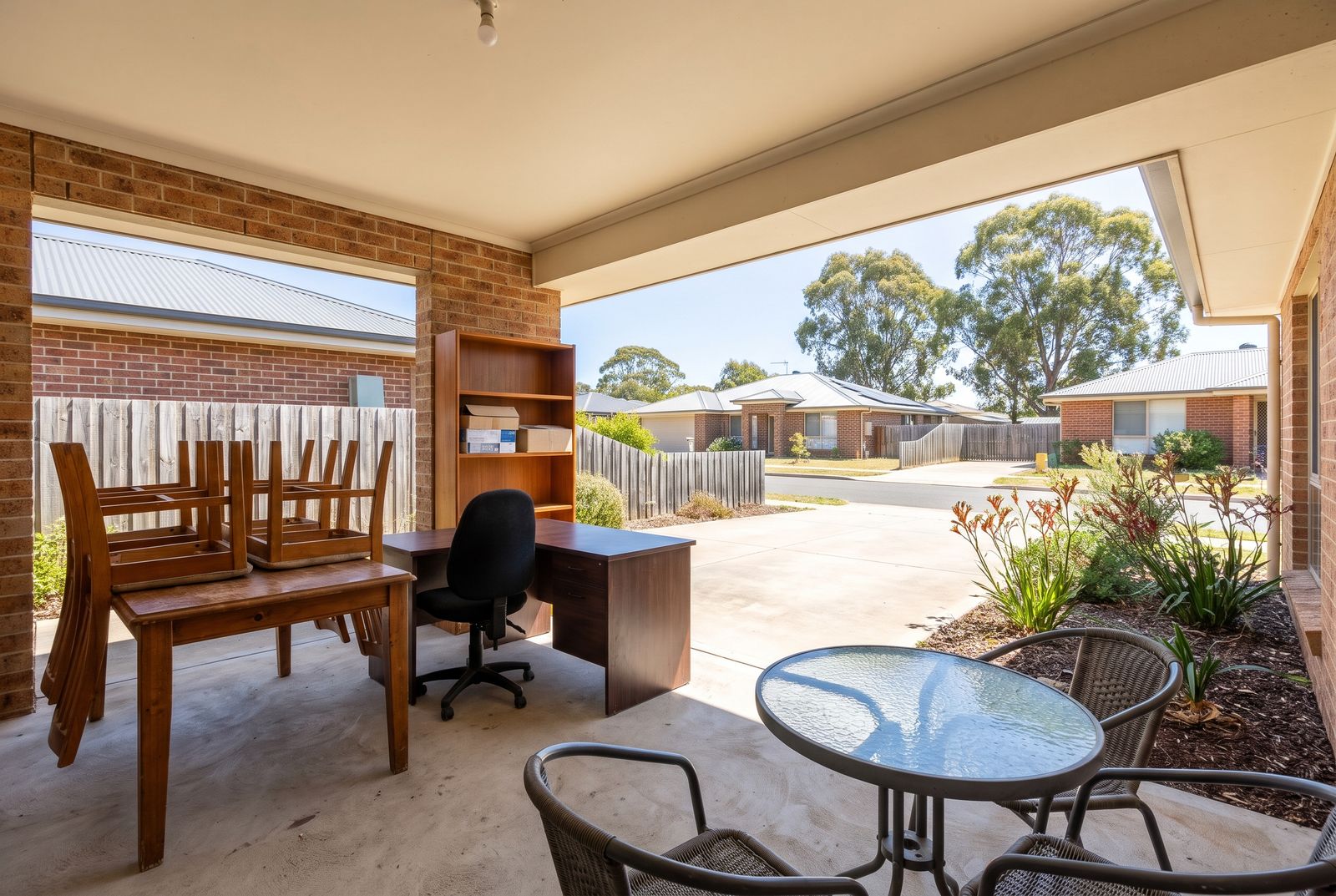
Check for a recall first
Private sellers should find out whether a product has been recalled or banned, or falls short of a required minimum safety standard, the ACCC says, and should not sell it if any of these apply.
Second-hand cots need extra care
A cot is one piece to check closely. The ACCC says anyone using, buying or borrowing a second-hand cot should make sure it has not been recalled, meets the current mandatory standards, has all parts in good working order and comes with the instructions for safe assembly and use. Pass the instructions on with the cot.
Use condition words carefully
If you describe a piece as excellent, good, fair or used, the ACCC says to be accurate, clear and consistent about what you mean. Give as many details as you can, and be clear about the piece and its condition.
Keep a note of the buyer
The ACCC also asks private sellers to keep their name and contact details visible in case an issue comes up after the sale, and to keep a record of who bought the piece.
Why it matters
What happens to working furniture put out as rubbish
A good piece put out with the rubbish may not be used again.
In Sydney
The City of Sydney says the bulky items it collects go to a transfer station where metals and plastics are removed for recycling, and furniture that cannot be recycled is downcycled into fuel for cement kilns.
In Perth
The City of Perth says items from its verge collection go to a sorting facility so that as much as possible is recycled, but a lot cannot be. Its advice is short: if it works, someone could use it.
In an apartment building
The City of Perth suggests a swap-and-share board for your strata, so a neighbour can take a piece you no longer want before it leaves the building.
The last resort
When a piece cannot be passed on
Furniture nobody can use again has three ways out, each with a catch.
A council collection
- Often paid for through your rates
- Each piece goes out to the kerb by your own hands
- A cap on volume, and sometimes on how many collections a year
- Dates set by the council, which can be weeks off
The tip
- A ute or trailer, and a second person to lift
- In Brisbane, items that cannot be donated or recycled go as general waste for a fee
- Canberra: a possible fee at a resource management centre for furniture that cannot be reused or recycled
A paid pick-up
- Most crews lift each piece from the room it is in
- Stairs and a long carry can add to the price
When it has to go
Have the leftover furniture taken away
If nobody wants a piece, or it is too heavy to move yourself, tell us what needs to go. One local business gets back to you within the hour.
A single piece
An armchair, a small table or a chair carried out typically runs $80 to $180.
Furniture removalA room of furniture
A bedroom, a lounge room or a home office cleared out typically runs $200 to $740.
Furniture disposalA whole house
When furniture is only part of what is leaving, a house clearance often takes the lot in one visit.
House clearanceQuestions
Unwanted furniture questions, answered
Selling privately, listings, charities, council tips, apartments, repairs and furniture nobody wants.
Does a private buyer have the same rights as a shop customer?
No. The ACCC says a buyer has the right to expect certain things from a business, but most of those rights do not apply to private sales between 2 people where the seller is not running a business. The ones that do are title to the product, undisturbed possession and no hidden debts or charges.
What should a listing for second-hand furniture include?
As much detail as you have. The ACCC recommends gathering the manufacturer, when it was made, assembly and instructions for use and any product warnings before you sell, then being clear about the piece and its condition.
Will a charity pick up furniture I no longer want?
Some do, though each sets its own list. In Sydney, the City asks that items in good condition stay out of its pick-up, points residents to a charity collection instead, and reminds them to check what is accepted. Upholstered pieces are usually harder to place than timber ones.
Can I drop furniture that still works at the tip without paying?
At some council centres, for reusable items. The ACT Government says reusable items can be dropped off for free at its resource management centres, and Brisbane City Council offers free drop-off of residential quantities of reusable materials. Items that cannot be reused or recycled usually cost money.
How do I get rid of unwanted furniture from an apartment?
Start with the building. The City of Perth suggests setting up a swap-and-share board for your strata, so a neighbour may take a piece before it has to leave. If nobody does, the City of Melbourne says apartment residents can ask their building manager to book a hard waste collection for them.
Is it worth repairing a piece before I get rid of it?
It can be. The ACT Government suggests repairing items to extend their life before disposal, including donating them to organisations that repair items or use the parts to make new products.
What if nobody wants my furniture?
Then treat it as rubbish. A council collection or the tip may take it, or a paid pick-up can. Carried out, a couch or lounge typically runs $100 to $250, and two to five pieces, such as a lounge suite or a bedroom set, $180 to $400.
Keep reading
More guides on furniture and mattresses
Guides
Tools
Where we cover
Find furniture removal in your state or city
Choose your state or city for local council rules, tips and furniture removal.
Official sources
Checked on 14 Nov 2026. Rules and fees change, so check the official page before you act on them.
- City of Sydney, Drop off tricky household items for recycling
- City of Sydney, Book a free pick-up for bulky items
- City of Perth, Waste and recycling for residents
- City of Melbourne, Hard waste
- City of Melbourne, Waste and recycling in apartment buildings
- Brisbane City Council, Resource recovery centres
- City of Adelaide, Hard waste collection for residents
- ACT Government, Bulky waste collections
- ACT Government, Resource management centres
- ACT Government, Furniture (metal, plastic and wood)
- City of Hobart, A to Z waste guide
- City of Hobart, McRobies Gully Waste Management Centre (The Tip)
- City of Darwin, Outdoor Hard Waste Collection
- ACCC Product Safety, How to sell safe second-hand products online
- ACCC Product Safety, Household cots guide
Nobody wants the rest?
Tell us what needs to go and where you are. One local business gets back to you within the hour.