

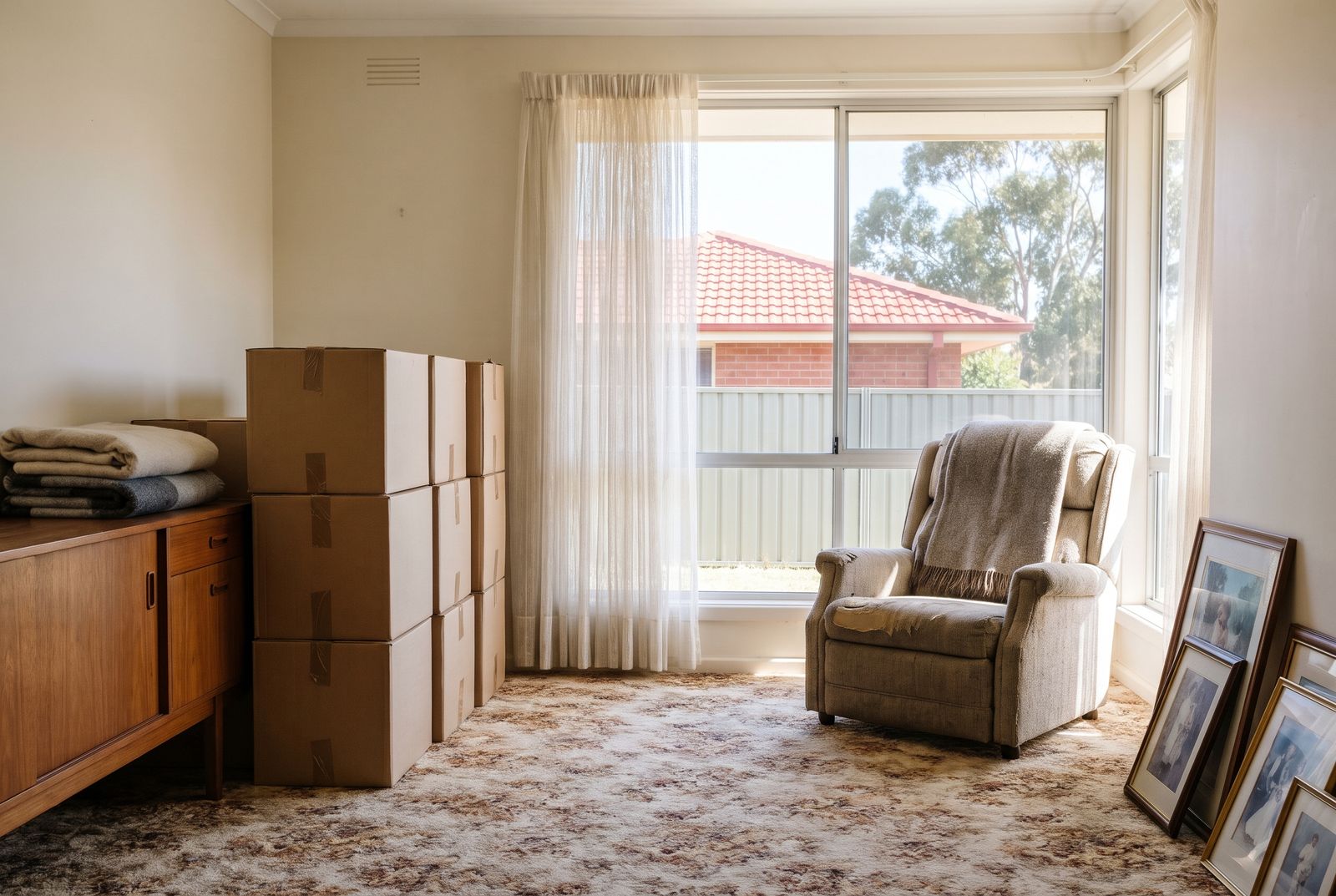
Deceased estate clean up
A family home to clear? A local rubbish specialist gets back to you within the hour.
Clearing the home of someone who has died is a big job at a hard time. One local estate clean up business gets in touch.
- Licence checked and insured
- Verified by Take My Clutter
- Matched with a deceased estate clean up specialist
4.8
Collective Google Rating
From 500+ reviews
Who gets your job
Checked before they get your job
A local business gets back to you within the hour.
We check each business's licence before it gets jobs.
Every business we pass jobs to is insured.
Only verified businesses get your job.
What you get
What a deceased estate clean up typically covers
Every business works its own way, so confirm what is covered when they call. This is what most businesses list for clearing the home of someone who has died, once the family has said what is to be kept.
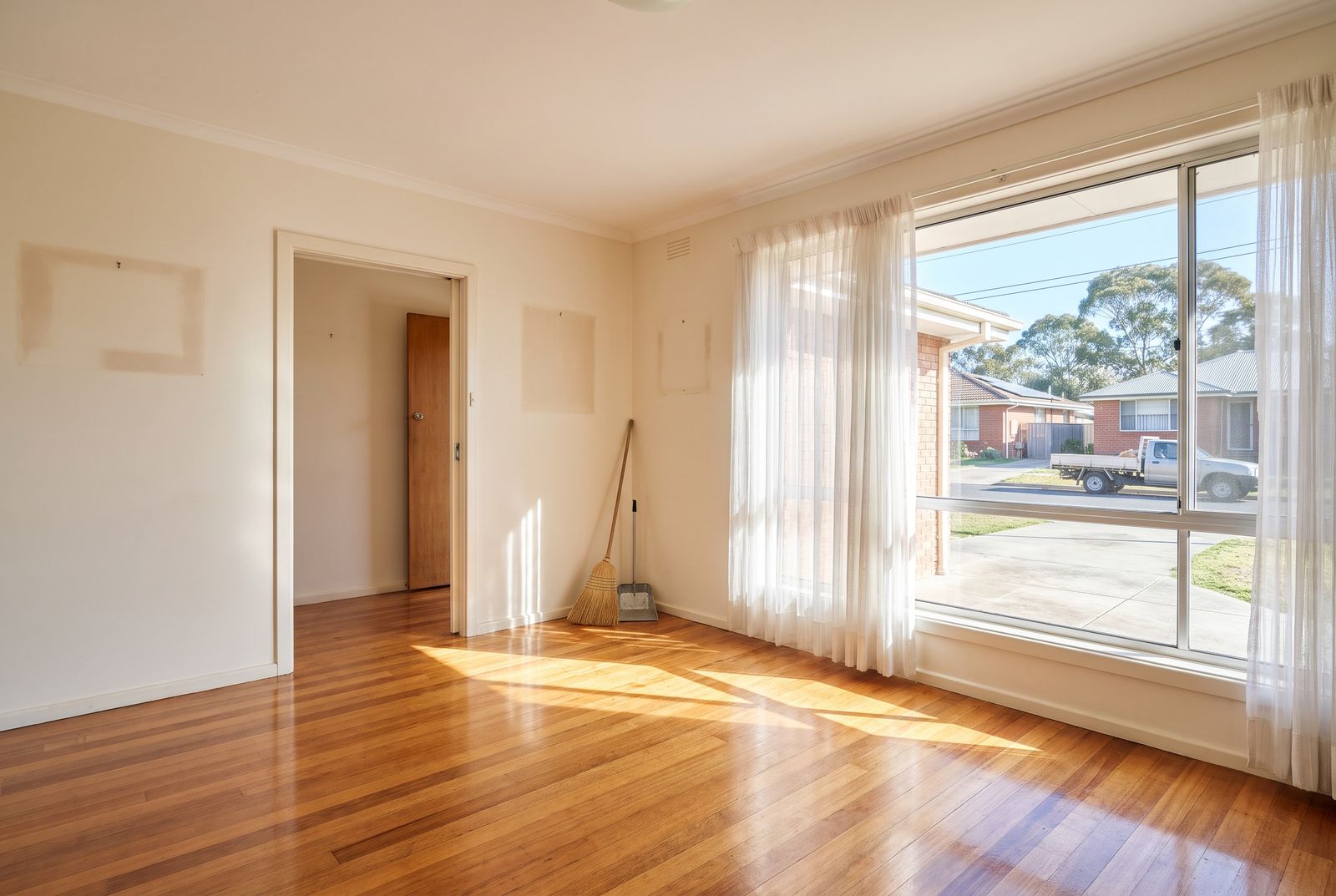
Clearing the home
- The whole home cleared, or only the rooms you choose
- Anything you have marked to keep left where it is
- Papers, photos and valuables put aside for the family
- Cupboards, drawers and wardrobes emptied
- Everything else carried out and loaded by the crew
- The home usually left empty and swept
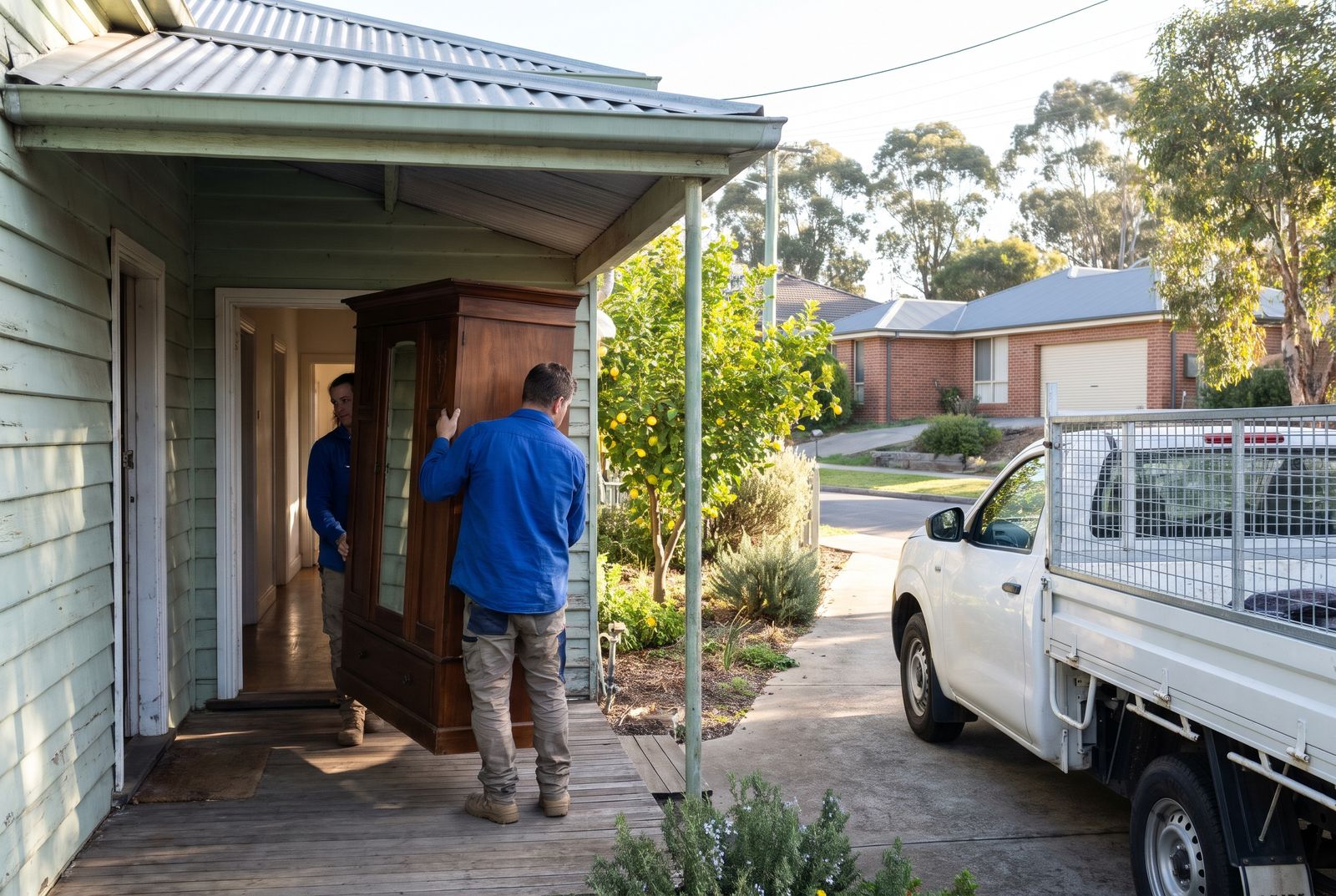
Furniture and household goods
- Lounges, dining settings and sideboards
- Beds, mattresses and wardrobes
- Clothing, linen, books and kitchenware
- Carpets and curtains, on request
- Heavy pieces carried out by the crew
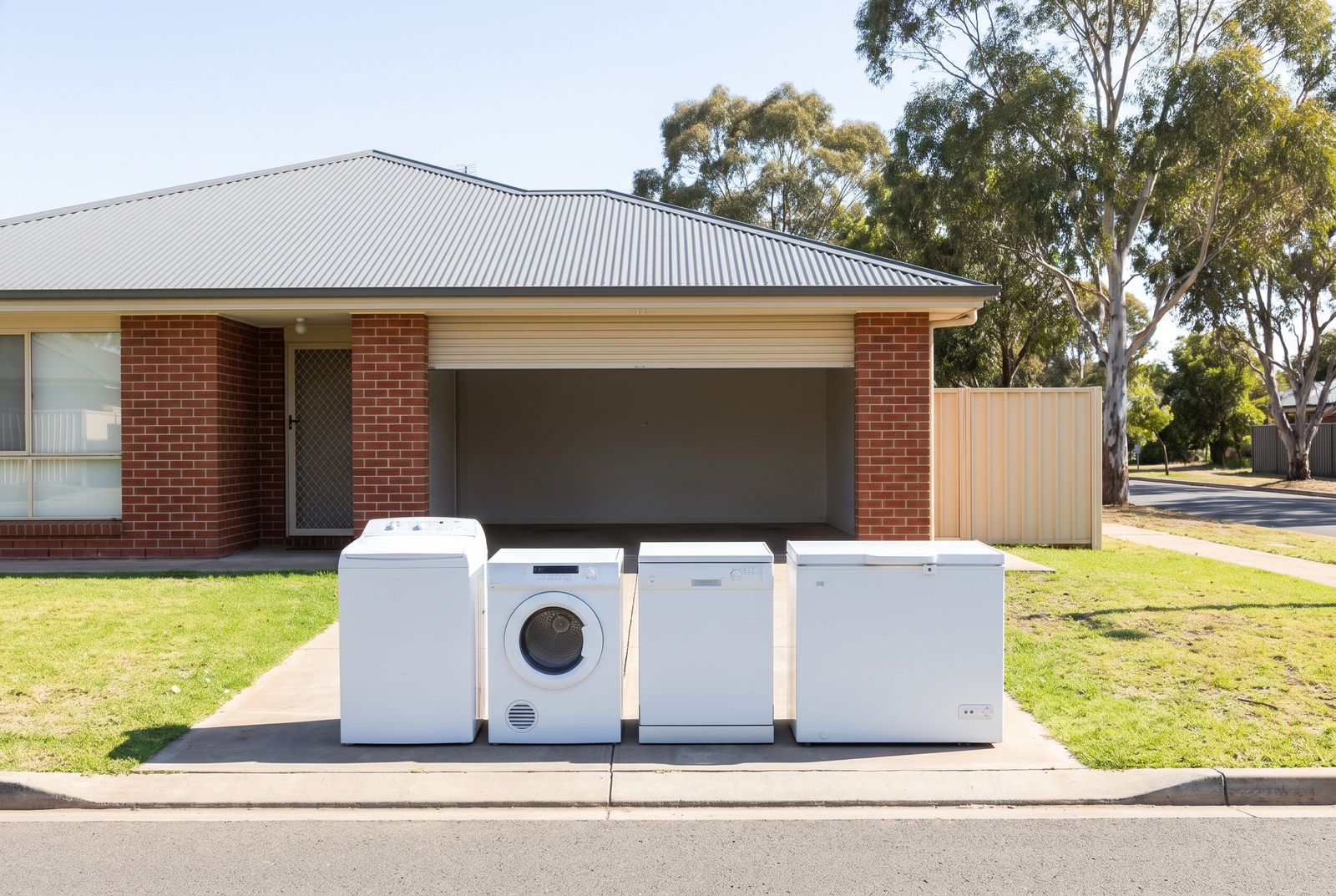
Whitegoods and appliances
- Fridges and freezers
- Washing machines and dryers
- Ovens, microwaves and small appliances
- TVs and computers, with many businesses
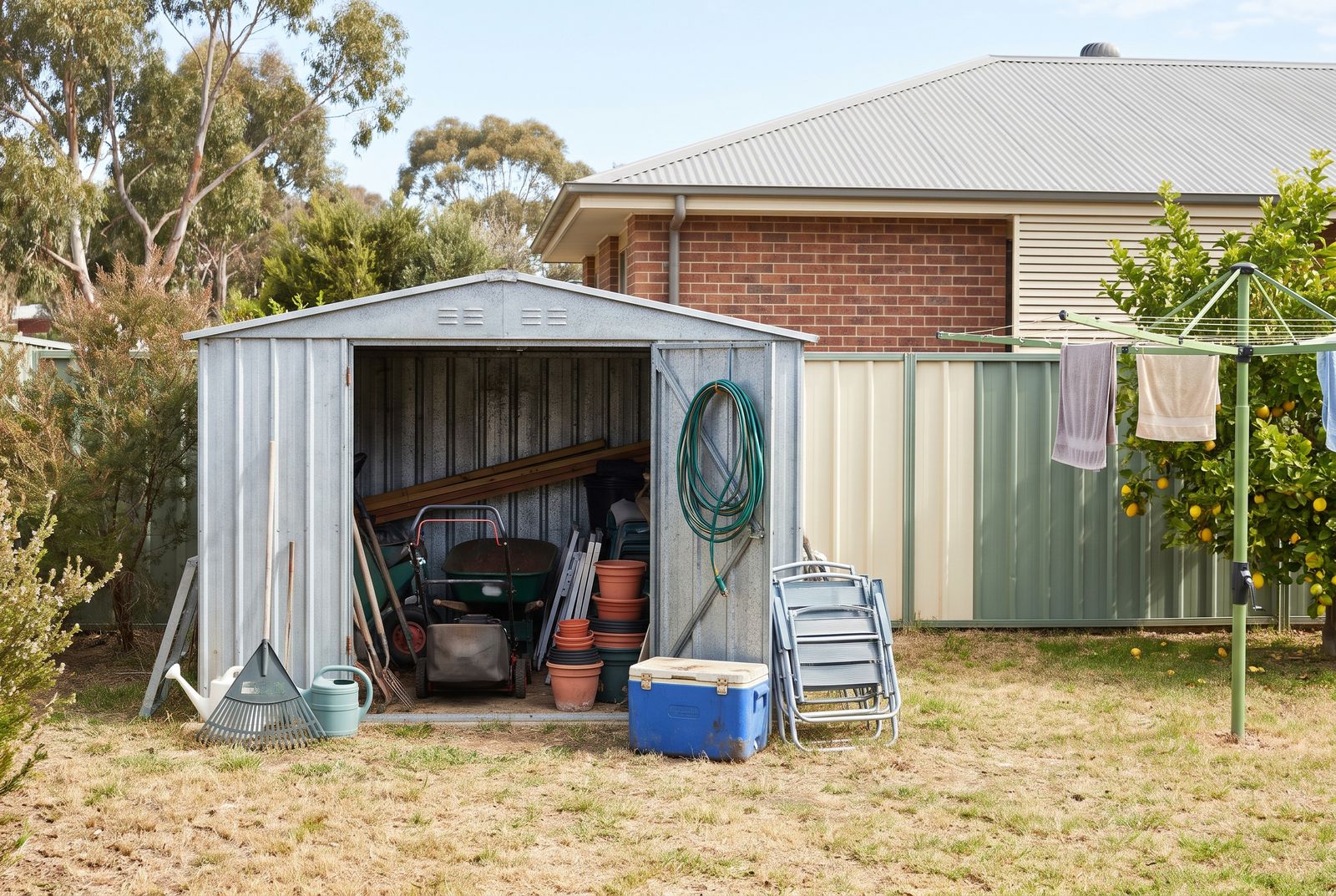
Garage, shed and yard
- Tools, mowers and garden equipment
- Boxes and shelves of stored things
- Garden furniture and pot plants
- Garden rubbish like branches and clippings
- The roof space and under the house, if used
Sometimes included
On some businesses' lists and not others. Ask when they call.
- A clean of the empty home
- Boxes and help packing what is being kept
- Photos of the empty rooms sent to you
- Locking up and returning the keys
- An itemised invoice or receipt for the estate
- Payment at settlement, through the solicitor
Not part of a deceased estate clean up
Most crews do not load or do these. Say so before they come if any apply.
- Asbestos, or anything that might contain it
- Paint, chemicals, pool chemicals and gas bottles
- Medicines and sharps
- Firearms and ammunition
- Valuing antiques, art or jewellery
- Specialist biohazard cleaning
Deceased estate clean up prices
Estimated deceased estate clean up prices in Australia
A deceased estate clean up is usually quoted for the whole home, after a visit or from photos of each room. How much there is to take away matters more than the number of bedrooms, so treat the size of the home as a guide. These are estimates of what to expect. Every business sets its own price.
| Size of home | Usual time on site | Estimated price |
|---|---|---|
| 1 or 2 bedroom unit | Half a day to 1 day | $600 to $2,900 |
| 2 or 3 bedroom house | 1 to 2 days | $1,200 to $5,200 |
| 4 or more bedroom house | 1 to 5 days | $2,500 to $8,000 |
| Large or very full home | 2 days to a week | $3,500 to $12,000 |
Estimates only, for a home with easy access. The ranges are wide because the published prices cover different amounts of work: some are for loading and taking away, some include careful sorting, and some include a clean of the empty home. A home the family has already been through usually sits at the lower end. Every business sets its own price. Estimates checked on 12 November 2026.
Often priced separately
Typical ranges. Some businesses build these into their price.
- Clean of the empty home$300 to $950
- Garden and outdoor clear-up$400 to $1,200
- Carpet steam clean throughout$300 to $500
- Secure shredding of old papers$150 to $250
- Sorting only, with nothing taken away$800 to $2,900
- Written valuation by a valuer$50 to $250 per item
What moves the price
- How full the home isThe amount to take away sets most of the price. A full three bedroom house can fill three to five truck loads, and a home lived in for decades holds more than one lived in for a few years.
- SortingGoing through every cupboard and drawer takes far longer than loading. A home the family has already been through costs less than one nobody has opened.
- Garage, shed and yardThese are often as full as the house, and so are roof spaces and under the house. Mention them when you ask for a price.
- AccessStairs, a unit without a lift or a long carry all add labour time. A ground floor home with a driveway is the simplest to clear.
- Heavy and special itemsPianos and safes need more people. Mattresses, fridges and old TVs often carry their own tip fees, so a home with several can cost more.
- TimingA clean up needed within days, for a settlement date or the end of a lease, can cost more. Booking a week or two ahead usually costs less.
Which one
Removal only, sort and clear, or clear and clean?
Three levels of deceased estate clean up in Australia. Which one you need depends on how much the family has already done.
The family has already sorted
Removal only
The family has been through the home and taken what is being kept. The crew loads and takes away everything that is left, with no sorting. It usually costs the least. Check drawers, pockets and cupboards first, because nothing is looked through.
Best for a home the family has finished with
What most families book
Sort and clear
The crew clears room by room and puts aside papers, photos, jewellery and anything you have marked. The rest is loaded and taken away, and the home is left empty and swept. This is what most businesses mean when they quote a deceased estate clean up.
Best for most homes
Often for a home going up for sale
Clear and clean
The same clearing and setting aside, then a full clean of the empty home. Some businesses also offer carpet cleaning and a garden tidy. It costs more, and it is often chosen when nobody in the family lives nearby.
Best for a sale, or organising it from a distance
Related jobs
House clearance and other clear-out jobs, with estimated prices
Not every home that needs clearing is an estate. Each of these jobs has its own page with a price table and what to check first.
Each range runs from the smallest job on that page to the largest. Estimates only. Every business sets its own price.
How it works
How a deceased estate clean up works with Take My Clutter
- 1Tell us what needs to go
Four quick questions: what it is, how soon, where it is and who to call.
- 2We match it to a local specialist
Your job goes to one local rubbish removal or skip bin business that works in your area.
- 3They get back to you within the hour
They talk the job through with you and give you a quote.
- 4You decide
Like the quote? Book it in with them directly.
On the day
What to expect on the day of a deceased estate clean up
How the day usually runs, from the first walk through the home to the keys being handed back.
Many jobs are done by two people with a truck. A full house may need a third person, or more than one load.
Most crews walk through the home with you, or go over your written list, before anything is touched. This is the time to confirm what stays.
Papers, photos, jewellery, cash and anything that looks personal are usually boxed or left in one room for the family. A careful crew does not decide what matters.
Many businesses work from a keep list, a key handover and a phone call. Some send a photo or video of anything they are unsure about before it goes.
Sheds and roof spaces often hold more than anyone expected. Many businesses give you a new price before the extra is loaded, and let you decide whether it goes that day.
Many crews check every room, cupboard and corner of the garage, then sweep. Ask for photos of the empty rooms, and for the keys to go back to you or the agent.
Before they arrive
Six things to do before a deceased estate clean up
Doing these before the crew comes means nothing is taken that the family wanted kept, and the price you are given is more accurate.
- 1Check with the executor
Check with the executor or the estate's solicitor before anything is removed. If the will leaves a particular item to someone, tell the crew so it is put aside.
- 2Find the papers first
Wills, deeds, insurance, bank and super papers turn up in drawers, books and the backs of wardrobes. Check coat pockets, tins and behind picture frames too.
- 3Photograph every room
Take wide photos of each room before anything moves. They give the executor a record, and let family who cannot be there see what is in the home.
- 4Let the family choose first
Set a date for family to take what they want before the crew is booked. It usually lowers the price, and nothing is taken that someone wanted.
- 5Mark what stays
Put tape or a note on anything being kept, or move it all into one room. A note on a wardrobe door is more reliable than an instruction on the morning.
- 6Take out what cannot go
Take unwanted medicines to a pharmacy. Tell the business about paint, chemicals, gas bottles or anything that might be asbestos, because most crews do not load them.
Before you book
What to ask a deceased estate clean up business before you book
Six questions that keep the price you are given close to the price you pay, and keep what matters out of the truck.
Have you cleared deceased estates before?
Ask how they work with an executor and a family, and how they handle a home where people want different things.
What do you do with papers, photos and valuables?
Ask where they put anything that looks personal or valuable, and how they tell you about something they are unsure of.
Can you work from a keep list?
If you cannot be there, ask whether they work from a written list, photos and a key handover.
Are the shed, the garage and the roof space in the price?
Name every part of the property when you ask for a price. A full shed can add a truck load.
How is the home left?
Most clean ups leave the home empty and swept. Ask whether a full clean is included or quoted as a separate job.
Can the estate be invoiced?
Some businesses invoice the estate or take payment at settlement. Ask before the day, and check with the executor.
Before you book
Before a deceased estate is cleared: what comes first
Three things to settle before a crew is booked.
Before anything leaves
Get the executor's say first
Nothing should leave the home without the say of the executor or administrator. Keep the home locked until they have agreed what stays and what goes.
The will
Check the will before furniture goes
A will can leave furniture and household goods to named people. Find the will and set those pieces aside before the clean up is booked.
A rented home
A rental has its own deadline
If the home was rented, each state sets when the lease ends after a death, and who must remove the belongings. Speak to the landlord or agent early, then book the clean up to fit.
Rules and council services differ from place to place. Your state page has the detail: New South Wales, Victoria, Queensland, Western Australia, South Australia, Tasmania, Australian Capital Territory, Northern Territory.
A crew or something else
An estate clean up crew, a skip bin or the council: which suits the home
A paid clean up is one of several ways to clear the home. Here is when each one fits.
Book an estate clean up
A crew sorts, carries and takes away what is not being kept. It suits a family that lives far away, a full home, or a date set by a sale or a lease.
Get an estate clean up quoteHire a skip and do it as a family
It suits a family with time and people to lift. You do all the sorting, carrying and loading yourselves.
Skip bin hireUse the council for the last few items
Once the family has taken what it wants, a booked council collection can take a small number of bulky items left at the kerb.
Council hard rubbish datesA home that is not an estate
For a sale, a move into care or the end of a lease, the job is a house clearance.
House clearanceWhere we cover
Deceased estate clean up by state and city
Pick your state or city for local prices, council collections, tips and deceased estate clean up near you.
Questions
Deceased estate clean up in Australia: your questions answered
Plain answers on price, who decides, what is put aside and how the day works.
How much does a deceased estate clean up cost in Australia?
As an estimate, a deceased estate clean up runs $600 to $2,900 for a one or two bedroom unit, $1,200 to $5,200 for a two or three bedroom house and $2,500 to $8,000 for four bedrooms or more. How full the home is and how much sorting is needed move the price most, and every business sets its own price. Tell us about the home and we pass the job to one local business.
What happens to papers, photos, jewellery and other valuables?
A careful crew puts them aside and does not decide what matters. Papers, photos, jewellery, cash and anything that looks personal are typically boxed or left in one room for the family or the executor. Ask how a business handles valuables before you book. If the home may hold antiques, art or jewellery of real value, have a valuer look before anything is removed.
Do I need to be there on the day?
Not usually. Plenty of families organise this from another city. Many businesses work from a written keep list, photos and a key handover, and some send a photo or video of anything they are unsure about before it goes. If you can, be there at the start to walk through the home, or ask someone you trust to hold a key and answer small questions.
How long does a deceased estate clean up take?
A unit is often cleared in half a day to a day, and a two or three bedroom house in one to two days. A large or very full home can take from two days to a week. Sorting takes longer than loading, so a home the family has already been through is quicker.
Should the family go through the home first?
Yes, if they can. Set a date for family to take what they want before the crew is booked. There is less to sort and load, which usually lowers the price, and nothing is taken that someone wanted. For family who cannot be there, photos or a video call of each room work well. If some rooms are not ready, most businesses can clear the rest and leave those rooms untouched.
What does a crew not take?
Most do not take asbestos, paint, chemicals, gas bottles, medicines or firearms. The national asbestos agency says most people cannot tell asbestos by looking at it, and that asbestos waste can only go to a licensed facility. The Therapeutic Goods Administration says it is best to take unwanted medicines to a local pharmacy. If there is a firearm in the home, ask the police what to do before the crew comes.
Is the home cleaned as well?
Not always. Most clean ups leave the home empty and swept, which some businesses call broom clean. A full clean of the empty home is often a separate job at about $300 to $950, though some businesses include it. If the home is being sold, ask the agent what they need, and whether anything should stay for the photos, before you book.
Can the estate pay for the clean up?
Some businesses invoice the estate, and some accept payment at settlement through the estate's solicitor, so ask when they call. Whether the cost comes out of the estate is a question for the executor or the estate's solicitor. Ask for an invoice that lists what was done, and keep it with the estate's records.
What if the home is very full?
Say so when you ask for a price, and include the shed, the garage and any roof space. A very full home takes more people, more loads and more sorting time. As an estimate, a large or very full home runs $3,500 to $12,000. A hoarding clean up is a different job and is quoted on its own.
Could we hire a skip bin and clear the home ourselves?
You can, and it usually costs less. You do all the sorting, carrying and loading yourselves, and each full skip has to be swapped for an empty one, so a large home can take weeks. Furniture and whitegoods need at least two people to move. If a skip has to sit on the road or nature strip, check with your council first.
Official sources
Checked on 12 November 2026. Rules and fees change, so check the official page before you book.
- Australian Taxation Office, Checklist: what to do when someone dies
- Asbestos and Silica Safety and Eradication Agency, Asbestos identification, removal and disposal
- Therapeutic Goods Administration, Safe disposal of unwanted medicines
- NSW Government, Guide for executors
- Consumer Affairs Victoria, If a renter or rental provider dies
- Queensland Public Trustee, What to do when someone dies
- Public Trustee, Western Australia, Deceased estates information
- Public Trustee (South Australia), Executors: where to start
- Service Tasmania, What to do when someone dies
- Public Trustee and Guardian (ACT), Duties of an executor
- Public Guardian and Trustee (Northern Territory), What to do when someone passes away
- Queensland Public Trustee, How to administer a deceased estate
- Residential Tenancies Authority, Death of a tenant or lessor
- Consumer and Business Services (South Australia), Tenancy reforms for landlords and agents
- Tasmanian Government, Automatic termination of lease
- Legal Aid NSW, Tenancy
- Legal Aid NSW, Distributing the estate
- Legal Aid Western Australia, Duties of executors
- Northern Territory Government, What an executor does
Ready to get it cleared?
Tell us about the home. A local specialist gets back to you within the hour.